
Affiliate disclosure: As an Amazon Associate, we may earn from qualifying purchases made via links on this page — at no extra cost to you. See our Affiliate Disclosure.
Discover a range of advanced refractor telescopes suitable for various stargazing needs and preferences.
Stargazing can be a mesmerizing experience, but choosing the right telescope is crucial for maximizing your enjoyment. Advanced refractor telescopes offer exceptional clarity and detail, making them ideal for observing celestial bodies. However, these telescopes come in various configurations, each designed to cater to different levels of expertise and specific stargazing needs. From computerized mounts that simplify tracking to portable designs perfect for travel, understanding the differences can help you select the best option for your astronomical adventures.
Quick Picks
Top Picks
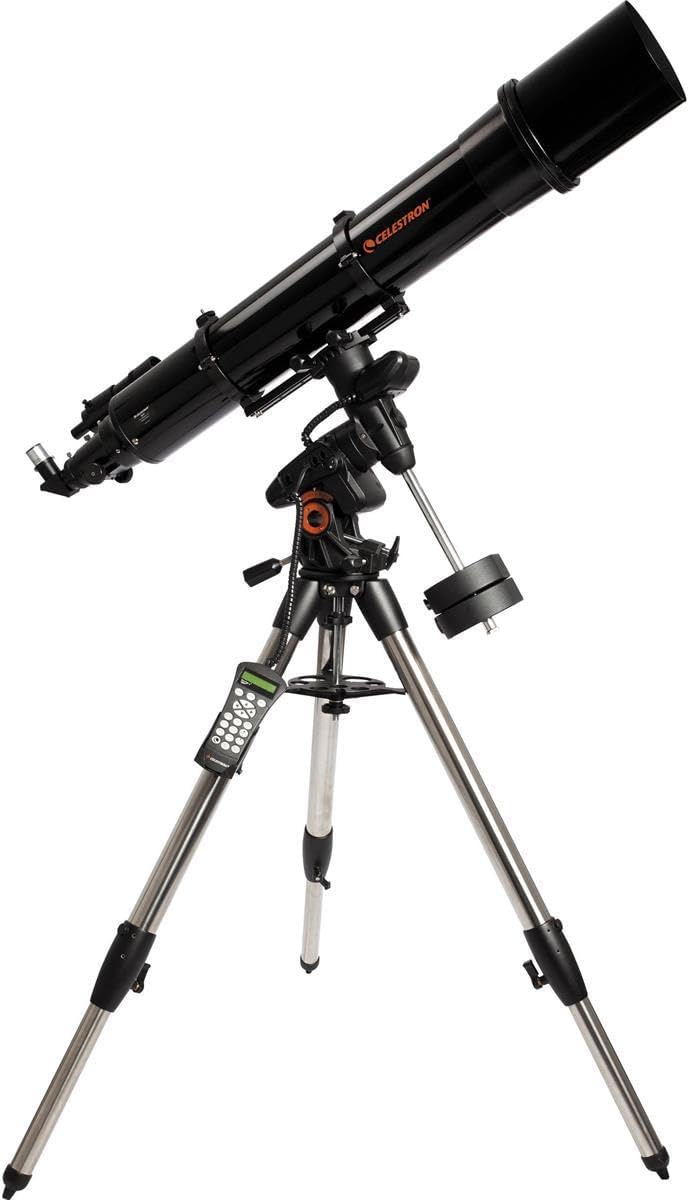
Celestron Advanced VX 6″ Telescope
Best for: advanced stargazing
This computerized telescope is designed for advanced stargazing, offering precision and ease of use for astronomy enthusiasts.
- Computerized GEM mount
- 6-inch aperture
- Ideal for astrophotography

High Powered 90mm Refractor Telescope
Best for: detailed celestial observation
This high-powered refractor telescope features a 90mm aperture, making it suitable for detailed observation of celestial bodies.
- 90mm aperture
- High-powered optics
- Great for beginners

ESSLNB 80mm Aperture Telescope
Best for: travel stargazing
The ESSLNB telescope features an 80mm aperture and is designed for portability, making it perfect for stargazing on the go.
- 80mm aperture
- Portable design
- Easy setup

Professional 90mm Aperture Telescope
Best for: serious astronomy enthusiasts
This professional-grade telescope features a 90mm aperture and is designed for serious astronomy enthusiasts looking for quality observations.
- 90mm aperture
- High-quality optics
- Includes phone adapter
Related Options

Sky-Watcher Evostar 100EDX APO Refractor
Best for: high contrast imaging
The Sky-Watcher Evostar 100EDX is an APO refractor designed for high contrast imaging, ideal for detailed astronomical observations.
- 100mm aperture
- APO optics
- High contrast imaging
Frequently Asked Questions
What is the best aperture size for beginners?
For beginners, a telescope with a 70mm to 90mm aperture is often recommended. This size provides a good balance between portability and the ability to see detailed images of celestial objects. A 90mm aperture, for instance, allows for clear views of planets and some deep-sky objects, making it an excellent choice for those just starting in astronomy.
How important is the mount type?
The mount type is crucial as it affects how easily you can track celestial objects. Computerized mounts simplify this process, allowing you to focus on observing rather than manually adjusting the telescope. If you’re new to stargazing, a computerized mount can enhance your experience by making it easier to locate and follow objects in the night sky.
Can I use a refractor telescope for astrophotography?
Yes, many refractor telescopes are suitable for astrophotography, especially those with larger apertures and computerized mounts. These features allow for better light gathering and tracking of celestial objects, which are essential for capturing high-quality images. If astrophotography is your goal, look for models specifically designed for this purpose.
What should I look for in optical quality?
When assessing optical quality, consider factors like lens type and coatings. Apochromatic (APO) lenses are preferred for their ability to reduce chromatic aberration and provide sharper images. Additionally, look for telescopes with high-quality coatings that enhance light transmission. These features will significantly improve your viewing experience.
How do I maintain my refractor telescope?
Maintaining a refractor telescope involves regular cleaning of the lenses and ensuring the mount is properly aligned. Use a soft, lint-free cloth to clean the optics and avoid using harsh chemicals. Additionally, store your telescope in a dry, dust-free environment to prevent damage. Regular maintenance will help preserve the quality of your images and extend the life of your telescope.
Final Thoughts
Choosing the right advanced refractor telescope can significantly enhance your stargazing experience. By considering factors such as aperture size, mount type, portability, and optical quality, you can find a model that aligns with your specific needs. Whether you're a beginner looking for a user-friendly option or a serious enthusiast seeking high-quality optics for detailed observations, the right telescope can open up a world of celestial wonders. Take the time to evaluate your goals and preferences, and you'll be well on your way to enjoying the night sky.